Children’s Dermatology is led by Board-Certified Dermatologist and Pediatric Dermatologist Dr. Heidi Goodarzi, serving patients throughout Orange County.
Dr. Heidi specializes in pediatric dermatology.
Dr. Heidi believes that it is very important that babies’ birthmarks and moles are evaluated by a dermatologist, that children’s eczema is treated as a skin disease and not as an “allergy,” and that teenagers’ acne is medically managed so that they are not left with scars on their beautiful faces or souls!
Below are some of the common childhood skin conditions.
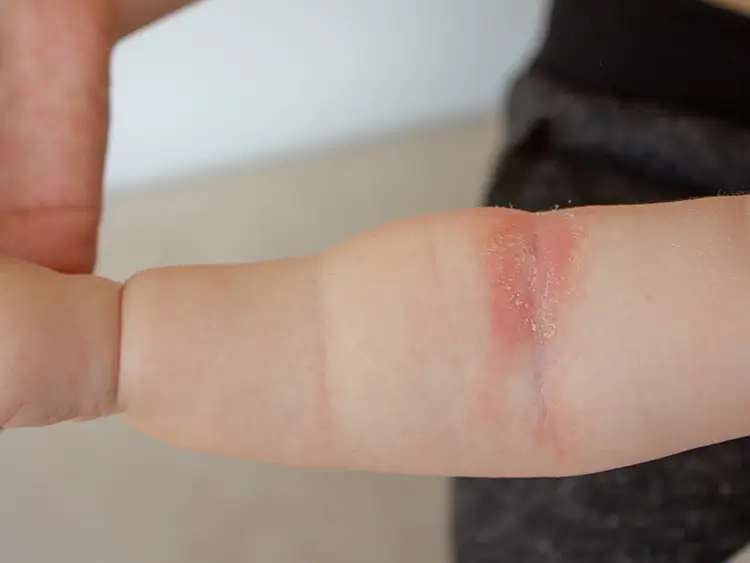
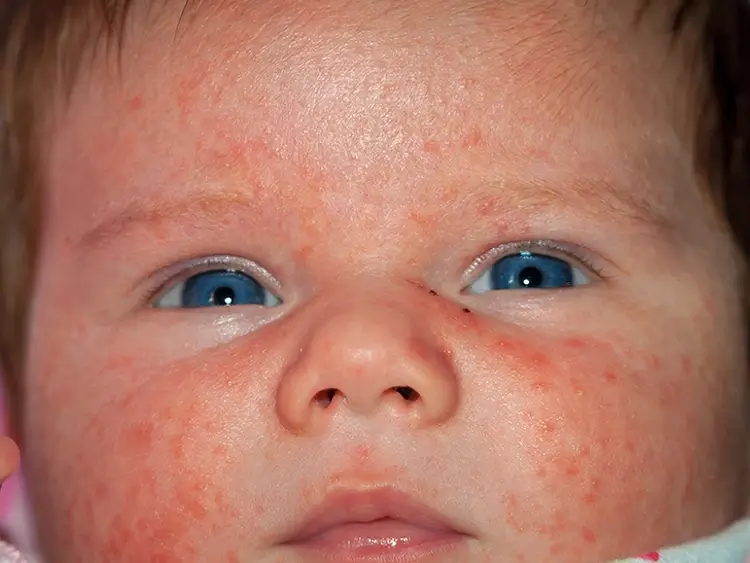
A common, long-term skin condition that causes rash and significant itchiness, at times interfering with the growth and well-being of a child. Many effective and safe medical treatments are available.
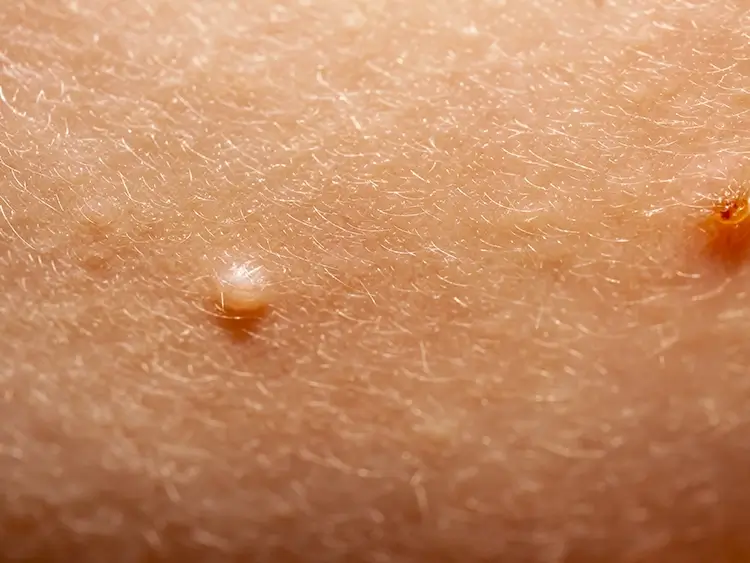
Molluscum Contagiosum
Shiny bumps with a slightly depressed center that are caused by a “pox family” virus. When they itch and are scratched, they may spread. They can take 1–2 years to go away if left untreated.
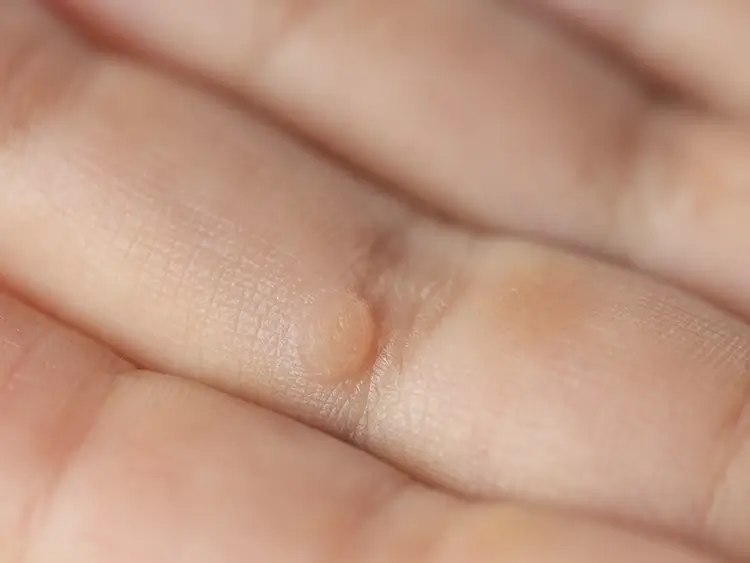
Warts
A very common skin infection caused by a strain of the HPV virus. They are contagious and require multiple treatment sessions to resolve.
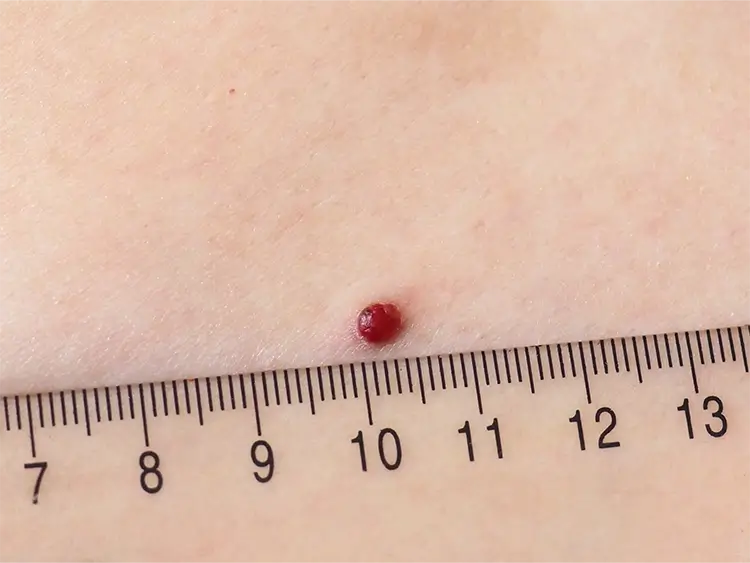
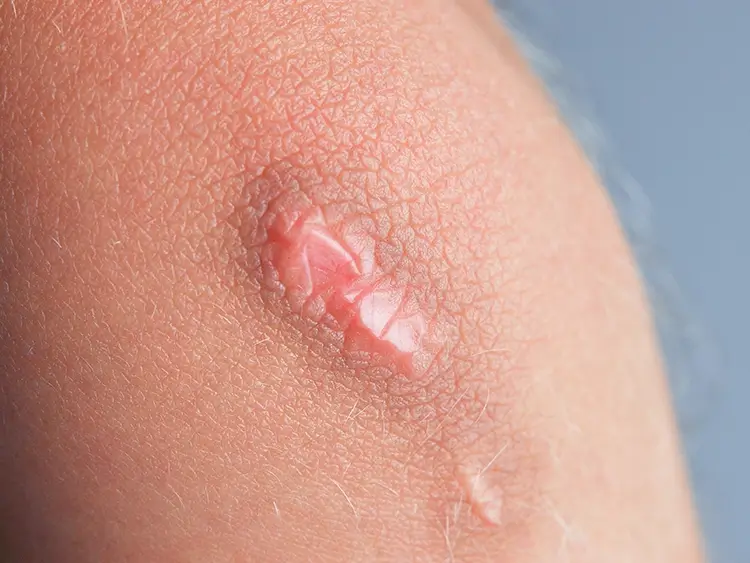
Pyogenic Granuloma
A scary but harmless red bump made up of small blood vessels that grows very quickly and often bleeds (often a lot) when bumped or scratched. The best treatment is to remove the lesion and cauterize its base.
Baby Acne
Neonatal acne appears on the face during the first 3 months of life and resolves on its own.
Infantile acne develops later and may last until age 2, causing comedones and possibly scarring. Treatment may be necessary.
Hemangioma Birthmarks
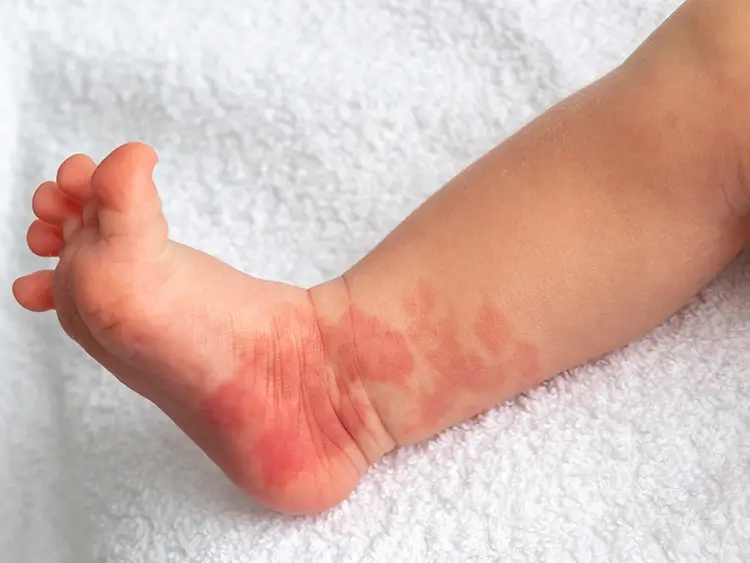
Infantile hemangiomas are clusters of additional blood vessels in the skin. They are non-cancerous growths that usually develop within the first few weeks of life. They must be evaluated- and evaluated early on- to determine if medical treatment is necessary.
Common Moles
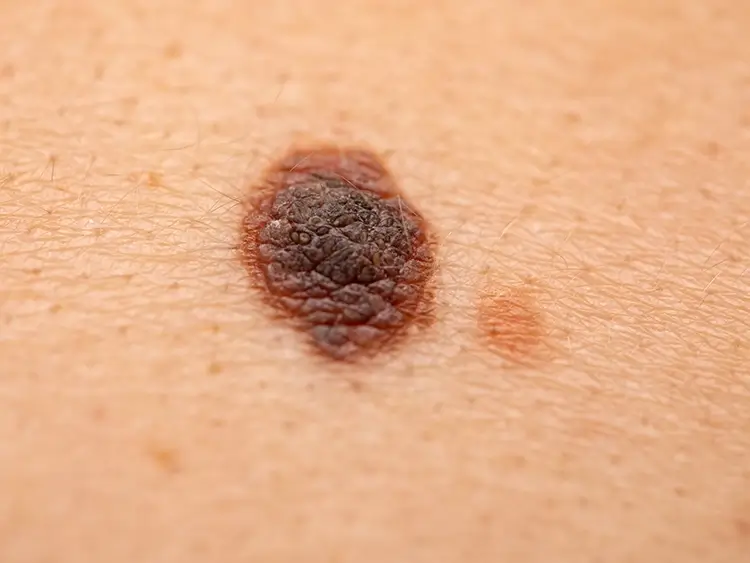
Moles, or nevi, are common skin growths that may be present at birth or develop later in life. While mostly harmless, any mole with changes in size, shape, or color, or the new development of irritation, itchiness, or bleeding needs to be evaluated.
Birthmark Moles
Congenital melanocytic nevi (CMN) are moles present at birth, caused by extra pigment cells forming before birth. They vary in size, color, and texture, and grow with the child. The risk of developing melanoma depends on its size.
Epidermal Nevus
This is a common birthmark (or one that can develop in early childhood) that differs from regular moles. These marks are linear with a different skin texture; they can be flat or raised, pink, brown, or black, and may thicken, roughen, or darken over time.
Melanoma Skin Cancer
Melanoma (“cancer of the mole”) is a deadly skin cancer that requires early detection. Although rare in children, it is more common in children with many moles (50-100) or with a family history of melanoma.
Pediatric Psoriasis
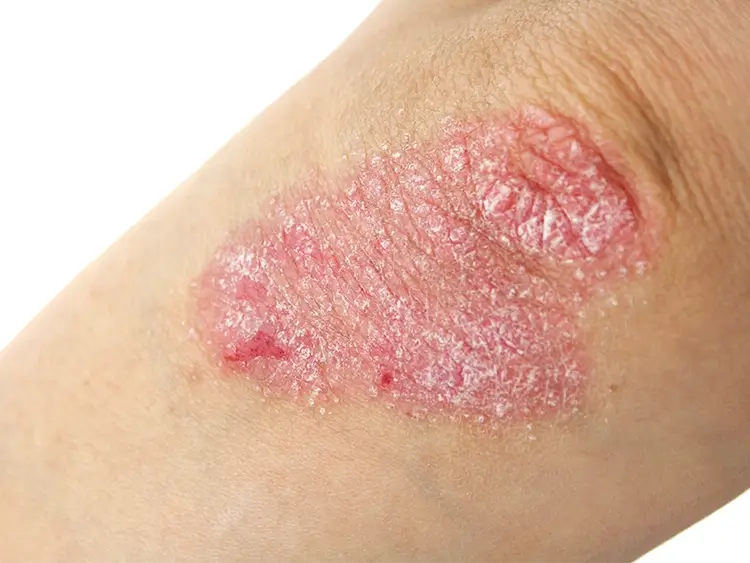
Psoriasis is a chronic skin condition affecting 1-2% of people, marked by red plaques with thick scales. It can develop at any age, often before 20, and varies in severity. There is no cure, but treatments are available based on its location and severity.
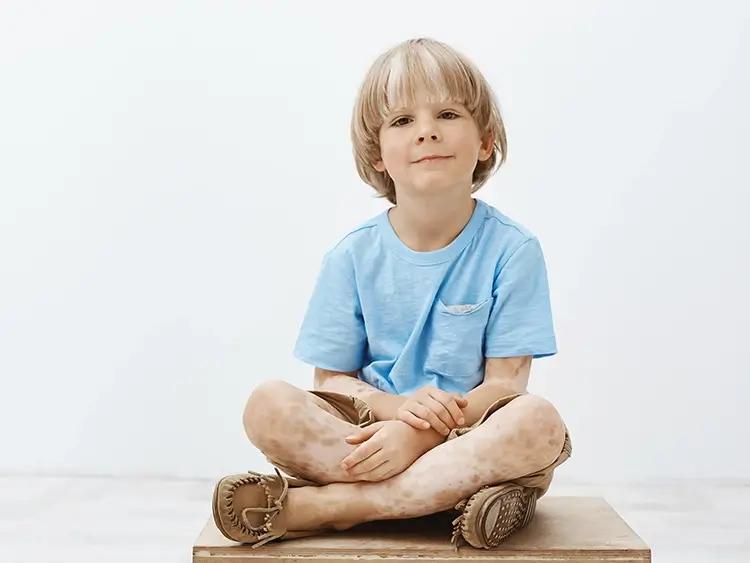
Vitiligo
A condition where the skin loses pigment, causing white patches. It is caused by the immune system attacking pigment cells. Vitiligo is not contagious. Many new effective treatment options are available.
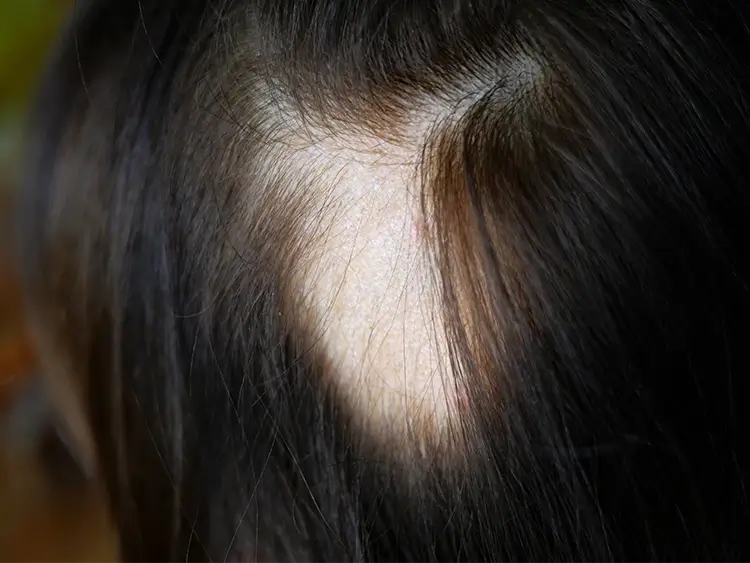
Alopecia Areata
Hair loss is caused by the immune system mistakenly attacking the hair follicles. Hair falls out in round patches, mostly on the scalp. Although extremely concerning to the child and parents, and with unpredictable flares, it is almost always treatable.
Yeast Infection
Bacterial Skin Infections
Staphylococcus aureus (“Staph”) and Streptococcus pyogenes (“Strep”) are the primary bacteria responsible for most skin infections, including impetigo, folliculitis, furuncles, abscesses, and cellulitis.
Fungal Rashes
Tinea is a fungal infection that affects the skin, hair, or nails. On the skin, particularly on the body and face, it often forms a red, scaly, ring-like pattern, sometimes called “ringworm.” On the scalp, it causes rash and hair loss, and in the nails, it causes nail changes. Fungal infections always need medical treatment.
Contact Dermatitis
Red, bumpy, itchy, and sometimes blistered skin. It has 2 types:
Irritant Contact Dermatitis can affect anyone’s skin when exposed to irritants such as acids, soaps, or cold weather.
Allergic Contact Dermatitis only affects those with a specific allergy.
Scars & Keloids
Scars form as part of the skin’s healing process after injury, surgery, or infection. They are a replacement tissue for skin, not skin itself. They can be flat, raised, or indented and vary in color. Hypertrophic scars are raised but stay within the injury’s limits. Keloid scars extend beyond the edges of the injury. Treatments vary.